
Cordillera Weaves
Weaving brings power to feminism by producing cloth weaving through hundreds of stories from its ancestors down to the present generation.
Mothers to their daughters pass on the tradition of making the Cordilleran fabric as it becomes ten or earlier. It begins with handloom weaving, followed by a pedal loom, and then a machine’s presence to create the intricate patterned textiles. Learning the method of weaving requires having specialized skills in knowing the types of materials it needs and the process of weaving the cloth that became a legacy for Cordilleran families.
Major indigenous groups of Cordillera, such as Kalinga, Apayao, Ifugao, Bontok, Tinguian, Ibaloy, and Kankana-ey, were heavily influenced by their culture of creating their distinctive styles from patterns and forms of symbolisms. It carries an identification and purpose for all who use it, as it is not only an art. One of these is the ka-in, which is made to be used as a wrap-around skirt for women. For men, they are called g-strings and are worn to perform rituals, weddings, festivals, and special occasions in Kalinga province. As for Bontoc, they produce geometric shapes to create flowers, man, or mountains that are characterized by motifs. Interestingly, these provinces have different translations of their woven fabrics with the same meaning.
Various efforts proved that Cordilleran weaving is not a dying culture because different initiatives preserve the traditional way of weaving as it spreads awareness from other parts of the world. Master Weavers provides seminars and sessions to teach others to weave and bring an appreciation of carrying the Cordilleran identity and embracing creativity.
Wood Carving & Bamboo Crafts
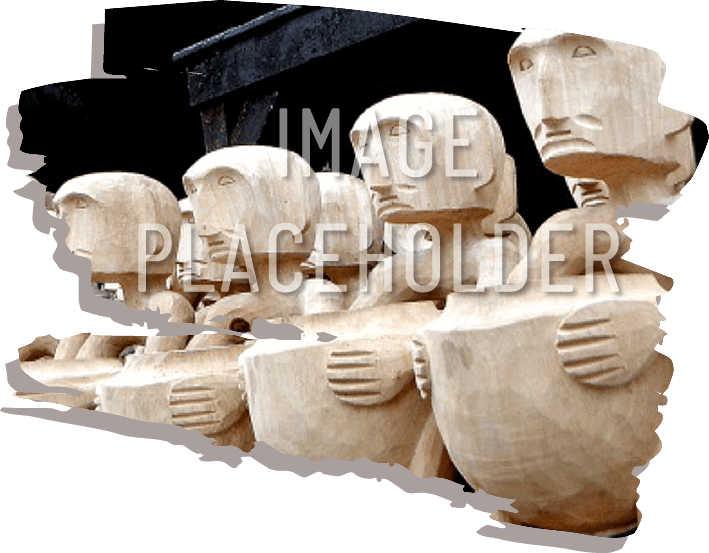
Wood carving is an essential building block of Baguio’s creativity. In the early period of Baguio’s history, wood carving is a shared ethnic origin which continues to color the culture of Baguio.
Mr. Ernesto Dul-ang, known as Manong Ernesto, built his skill in wood carving at the age of 12. He then became a resident woodcarver at the Baguio Museum and competed against other Asia’s best woodcarvers in history. He is only one among the many skilled wood carvers in Baguio.
On the other hand, the Ifugao Woodcarvers, Mr. Hector Himmawat and Hilario Pocdihon, settled in Baguio and set up a shop along Asin Road. The Japanese also recognized Himmawat because of his excellent wood carving skills.
We are in the midst of cultural change. Some wood carvers from Baguio have turned to furniture making to adapt to the evolution, but they still have their love and support for the wood carving industry. When you visit a local Baguio store, you will see exquisite wood-carved artwork alongside strawberries, pastries, and brooms.
Silvercraft & Metalcrafts
Baguio City’s gold and silver industry started in the late 1800s and early 1900s. Throughout the years, Baguio silver products have become one of the most favorite souvenirs of tourists. With its unique touch of compositions, indigenous techniques, and the blend of modern design, Baguio silvercraft and metalcrafts continue to attract buyers. From handcrafted jewelry to metal sculptures, each creation holds its own story and tradition in the craftsmanship.
Every piece is specially made with a deep connection to the city’s identity, holding a symbol for tradition and beliefs. Each piece is inspired by the breathtaking landscapes, diverse cultures, and history to enhance the Cordilleran pride. Baguio City’s silver craft and metalcraft artisans continue to shape the progression of the heritage.
As the city’s spirit shines brightly in every shimmering detail, the crafts capture the sight of every tourist visiting Baguio City. It is specially made in Baguio City to remind you of your memorable visit.
Traditional Tattoo
Traditional tattoos age very well, and thick black lines and colors stay over and are eventually better than any other style of tattooing.
Looking at the last and oldest practitioner of traditional tattoos in the Philippines, Maria Oggay, famously known as Apo “Whang-od,” proves that thick dark outlines are designed to withstand time composed of the mixture of charcoal and water that is tapped into the skin through a thorn end of a wood.
Whang-od is a tattoo artist in Buscalan, Kalinga, and has worked as a mambabatok since childhood. Traditional tattoos have origins predating the encounters of the indigenous people with the outsiders, serving as a traditional rite of passage to Cordillera. Historically, warriors put tattoos as a symbol of courage and protection or commemorating their conquests in battles. As for women, it signifies attractiveness.
Batok tattoos hold significance beyond personal adornment but represent political and religious allegiances and serve as storages of cultural wisdom and historical facts.
Henceforth, it is a privilege for tourists and locals to have a signed tattoo of Whang-od from its signature three-dot sign representing herself and her niece and grandniece as three generations of performing traditional tattoos.
Rising Arts
Today, reengineering the word “art” will be too easy because art is almost everything we see around us. Artists think outside the box and respond to today’s change as to how art will be able to sustain a competitive advantage. The rising arts in Baguio are evident everywhere. Baguio is an art itself and continues to hone the skills of visual artists in many different ways.
Every Sunday, in Session Road, creative Baguio Visual Artists display their artworks in unique ways. Mostly, we can see chalk art on the road that leaves everyone in awe. There are also many literary writing contests that welcomes literary artists of all ages and gender to write inspiring messages or environmental and technology-themed essays that tackles necessary changes in Baguio. Talented performers can be seen in different university theaters around Baguio. These people undergo training for performance improvement and quality show.
The city promotes collaborative efforts with different organizations to showcase culture, music, tourism, and traditions. The rising arts in Baguio increasingly influence how we view Baguio as a whole. Baguio residents keep on discovering creative ways of making dynamic properties in the world of arts.
Literary Arts
Baguio is nestled amidst the aromatic pine scents and hidden in the heart of the Cordillera, a city renowned for its rich literary legacy and artistic vibrancy. It is a center for the literary arts, a haven for writers, poets, and tellers desiring a home deep in its culture.
Artists have long found safety here while fleeing the busy metropolises of the lowlands. Amidst the dense fog and singing pines, the calm surroundings create an ideal setting for creative reflection. At numerous places and events, writers of all genres and types are catered to, a tribute to the city’s thriving literary scene. Baguio’s literary culture is rooted in its cultural establishments, which act as bulwarks for knowledge and creativity. Similar to the Baguio Arts Guild, established in 1947, it played a significant role in fostering the city’s literary scene and developing local talent. The guild offers emerging writers outlets to refine their skills and present their work to a broader audience through readings, workshops, and exhibitions.
Numerous literary landmarks honoring its rich literary legacy may be found throughout it. Baguio Cathedral, with its Gothic-influenced design, has also inspired innumerable poets and writers with its tranquil beauty and holy aura. The Philippine Military Academy, hidden beneath the pine-clad hills, was once the residence to the famed Filipino poet and nationalist, Amado Hernandez.
Book festivals and other activities that honor literature in every aspect take place all year long in Baguio. Every year in November—the Baguio Writers Festival unites poets, authors, and readers from all across the nation for an entire week of the arts and literature. All ages can enjoy anything at the event, which includes poetry slams, open mic nights, discussion panels, and book launches.
As it keeps changing and expanding, the literary arts sector also does. With the growth of self-publishing options and digital platforms, authors are now more able than ever to share their work with a global audience. Baguio’s literary community is optimistic about the future thanks to cooperation and creativity, secure in the expertise that has allowed the medium of literature to flourish in the city of pines.
Nothing can match the power of words. This city is home to the tale’s origins, where it flourished and left a lasting impact on the Philippines’ literary arts.
Cultural & Performing Arts
Performing Arts has always been present in Baguio. The city reverently upholds its age-old practices during various events, admiring its cultural heritage. Simultaneously, Baguio fearlessly embraces contemporary expressions through music, dance, and acting, creating a harmonious blend of tradition and innovation in the events.
The Tanghalang SLU and Dulaang UP Baguio are prominent theater companies contributing to the city’s cultural landscape through thought-provoking plays showing Baguio’s heritage, creativity, and community. During events or any cultural festivals in Baguio like the Ibagiw or Panagbenga, they always perform tribal dances like Banga Dance, Salip-ongan, Balassibasem, Ballangbang, and Bendian, which high school students perform, Binnadang Cultural Dance Troupe, SLU Dance Troupe, UB Bibak Ubbun Kaafun, and UC Saeng ya Kasay.